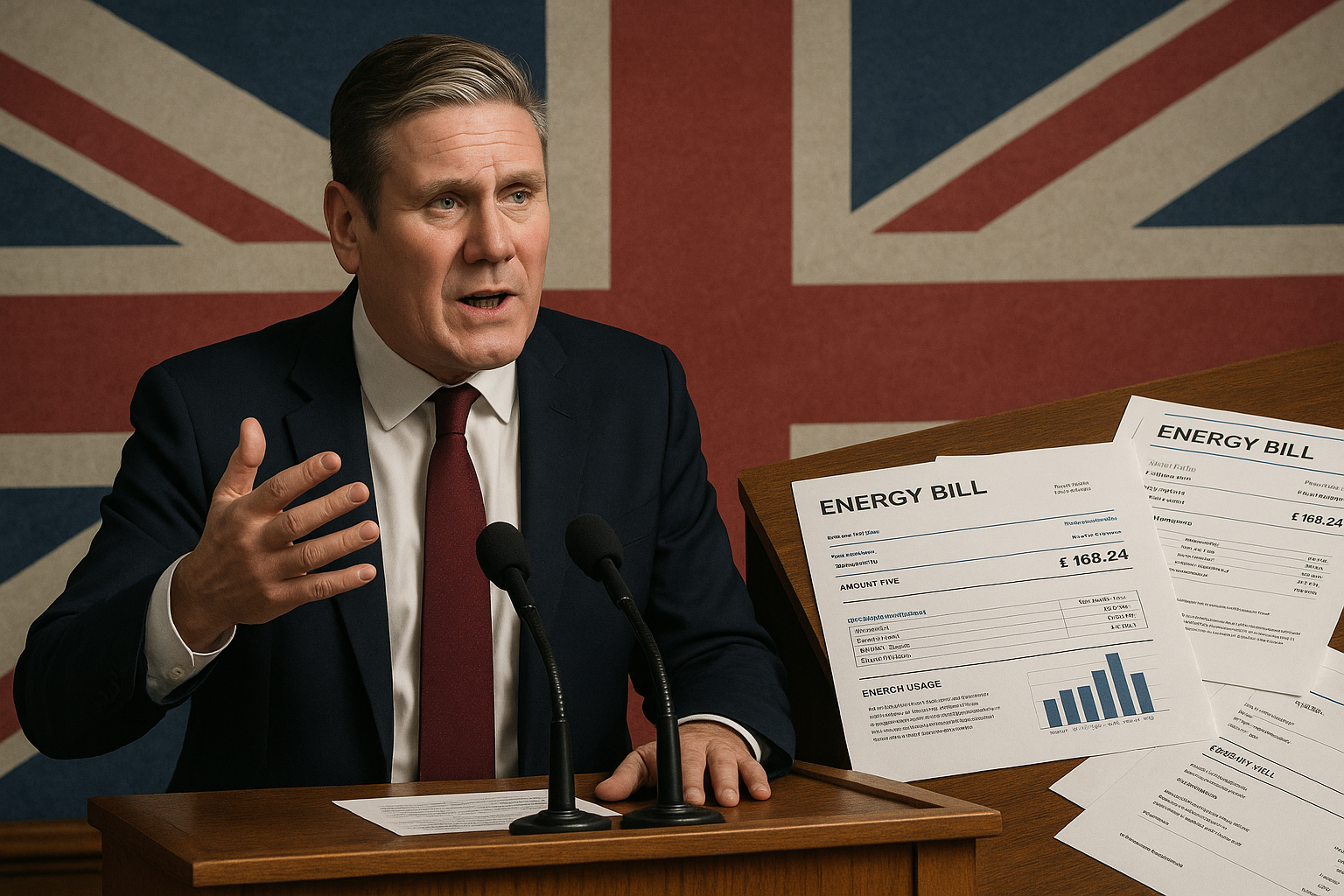
Energy Secretary Ed Miliband announced Tuesday that his department stands ready to take decisive action on soaring household energy costs, provided circumstances become so dire that performing basic ministerial duties becomes unavoidable. The statement came during a press conference where Miliband outlined a comprehensive 47-point contingency plan that would only activate once his office exhausts all possible methods of deflecting responsibility to market forces, previous administrations, and what he termed “the inherent complexity of energy policy.”
The Department for Energy Security and Net Zero has established a new Crisis Threshold Assessment Committee, tasked with monitoring public outcry levels and determining when government intervention shifts from “politically inadvisable” to “absolutely mandatory for career survival.” Committee chair Dr. Margaret Whitfield explained that current energy bill complaints register at only 8.3 on the department’s proprietary Desperation Index, well below the 9.7 threshold required to trigger what officials call “reluctant competence protocols.” The committee meets bi-weekly to review citizen distress metrics, including food bank usage, hypothermia-related hospital admissions, and the frequency of angry constituents appearing at MPs’ surgeries.
Internal documents obtained through Freedom of Information requests reveal that Miliband’s intervention strategy involves a carefully calibrated series of delays, each designed to maximize the appearance of thorough consideration while minimizing actual policy implementation. The plan includes provisions for forming three separate working groups, commissioning two independent reviews, and consulting with European energy regulators before considering any direct action. Officials noted that the timeline could extend indefinitely if energy companies continue providing what the department classifies as “minimally plausible explanations” for price increases.
The announcement has prompted energy suppliers to accelerate their own contingency planning, with several major providers reportedly drafting apology letters and preparing modest bill reduction offers in case government intervention becomes imminent. At press time, Miliband was reportedly exploring whether declaring energy policy “under review” could satisfy public demands while avoiding the need to make any actual decisions until after the next election cycle.
 English
  Portuguese
Leave a Reply